
Kids’ Shoe Straps Won’t Stick? How to Clean Hook-and-Loop Closures Before Replacing the Shoes

The shoes still fit. The soles still look fine. Then one morning the strap starts popping open before your child reaches the front door.
That can make a perfectly usable pair feel finished.
Sometimes the fastener really is worn out. But often the first problem is much less dramatic: lint, carpet fuzz, hair and dried dirt are sitting between the tiny hooks and loops that need to meet.
If a child’s hook-and-loop shoe strap has stopped holding as well as it used to, clean the closure before replacing the shoes.
Start dry. Brush debris from the rough hook side, lift loose fuzz with tape, and use tweezers only for fibers that remain trapped. Then press the strap flat across its full contact area and test it again.
If the strap still releases after cleaning, inspect for flattened or missing hooks, badly matted loop fabric, torn stitching or a strap that no longer reaches the correct position because the shoe fit has changed.
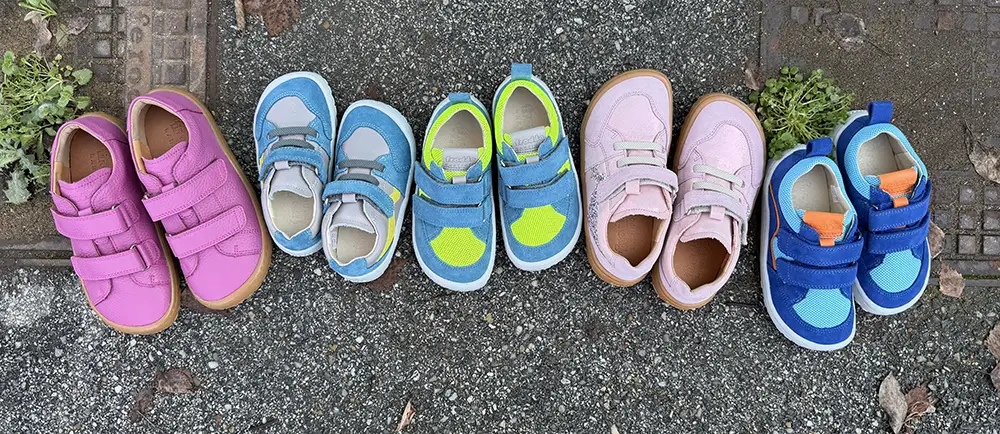
A weak closure does not always mean a worn-out closure. Debris can keep the hooks from reaching the loop surface.
First, a naming note: hook-and-loop is the generic term
Parents often search for “Velcro shoes,” but VELCRO® is a brand name. Unless a product specifically uses VELCRO® Brand fasteners, the accurate generic term is hook-and-loop closure.
That distinction does not change the cleaning method. It simply keeps the language accurate.
Hook-and-loop fasteners work because one surface contains tiny hooks and the other contains loops that those hooks can catch.
That same hook surface is also very good at catching things it was never meant to hold: lint from socks, fuzzy carpet fibers, pet hair, threads and playground debris.
Why kids’ shoe straps stop sticking
There are four common possibilities, and only two of them are cleaning problems.
1. The hooks are clogged with lint or hair
This is the easiest problem to fix.
Velcro Companies’ own care guidance says debris can be cleaned from hook fasteners much like hair is cleaned from a brush. A stiff brush or another hook surface can help remove material trapped inside.
Children’s footwear guidance from Start-Rite makes the same point specifically for shoes: the rough hook side tends to collect mud, dust, hair and lint, and that buildup can interfere with how well it connects to the soft loop side.
2. The loop side is covered or matted
The soft side usually collects less debris, but it can still pick up fluff or become flattened with repeated use.
Loose fibers can often be lifted with tape or a lint roller.
Do not attack the soft loop side with an aggressive metal tool. The goal is to remove foreign material, not pull apart the surface that the hooks need to catch.
3. The fastener itself is worn
Cleaning cannot replace material that is no longer there.
If many hooks are visibly bent, flattened or missing, or the loop surface is badly torn and matted, the closure may have reached the end of its useful life.
4. The problem is actually the fit
A strap can be perfectly clean and still fail to stay closed if it barely reaches the loop patch.
That can happen when the shoe is too small across the instep, the child’s foot has grown, the tongue is bunched underneath the strap, or the foot is not sitting fully back in the heel.
If the strap must be pulled to its absolute limit every time, do not assume the fastener needs a stronger grip. Recheck the shoe fit.
A three-minute hook-and-loop cleaning routine

- Open the strap and let the closure dry first. Mud is easier to manage when you are not smearing it deeper into the hook surface.
- Brush the hook side. Use an old toothbrush or similarly sized firm-bristled brush.
- Use tape for loose fuzz. Press clean sticky tape onto surface lint and lift it away.
- Use tweezers only where needed. Pull long hairs and threads individually.
- Press the closure together across the full patch. Then test it again with the shoe on the child.
How to tell when cleaning will not fix the problem

If the hooks are now visible and the loop surface looks intact, close the strap and test it again.
If it still opens easily, look for physical wear: bald areas in the hook field, flattened hooks, torn loop fabric, loose stitching or a strap separating from the upper.
Why working straps matter for preschool independence
Hook-and-loop closures reduce the number of steps between “put your shoes on” and actually leaving the house.
Berkshire Healthcare NHS guidance encourages children to help with shoe fastenings and teaches the task as a repeatable sequence.

Three Sensori examples with hook-and-loop closures

Sensori™ StepNest Double-Strap First-Walker Sneakers
StepNest uses two independently adjustable hook-and-loop straps that open wide across a breathable mesh upper.
Its current care instructions specifically say to remove lint from the hook-and-loop fasteners to maintain adhesion.
Explore StepNest →
Sensori™ AirSprint Easy-On Kids Sneakers
AirSprint combines one hook-and-loop strap with elastic no-tie laces and its current care guidance specifically calls for removing lint from the fastener.
Explore AirSprint →
Sensori™ StrideEase Canvas Sneakers
StrideEase uses a wide cotton-faced hook-and-loop strap, and its current care instructions call for cleaning the closure separately and removing lint or fibers when required.
Explore StrideEase →The rule worth remembering
Brush first. Test again. Replace or repair only when the closure is actually worn—or when the shoe no longer fits.
Frequently asked questions
Why do my child’s hook-and-loop shoe straps stop sticking?
Lint, hair, carpet fibers and dirt can block the hook surface and reduce contact with the loop side. The fastener can also become physically worn over time, or the strap may no longer reach correctly if the shoe fit has changed.
How do I clean hook-and-loop straps on kids’ shoes?
Start with the closure dry. Use a small firm brush on the hook side, sticky tape or a lint roller for loose surface fuzz, and tweezers for stubborn threads or hairs. Follow the shoe’s own care instructions before adding water or cleaner.
Can I use a toothbrush to clean kids’ shoe straps?
Yes. A clean old toothbrush or another small firm-bristled brush is a practical way to loosen lint and debris from the hook side without soaking the shoe.
How do I know when a hook-and-loop strap is worn out?
If the closure still releases easily after cleaning, inspect for flattened or missing hooks, badly matted or torn loop material, loose stitching, or a strap separating from the shoe. Cleaning cannot rebuild physically damaged fastener material.
Should a toddler be able to fasten hook-and-loop shoes independently?
Children learn dressing skills at different rates. Hook-and-loop closures can make the sequence simpler because there is no knot to tie. Practice opening the shoe, placing the foot fully inside and pressing the strap flat, without turning independence into a deadline.
Sources & editorial note
This article uses the generic term “hook-and-loop” unless specifically referring to VELCRO® Brand products. VELCRO® is a registered trademark of Velcro IP Holdings LLC.
- Velcro Companies — Frequently Asked Questions About VELCRO® Brand Hook and Loop Closures: velcro.com
- Start-Rite — How to Clean Hook and Loop Fastenings: startriteshoes.com
- Berkshire Healthcare NHS Foundation Trust — Putting on Shoes and Socks: berkshirehealthcare.nhs.uk
Keep the closure simple—and working
Choose a pair that fits, opens wide enough for the child to manage, and has a closure you can maintain without turning every daycare night into shoe-repair night.
Explore Sensori Sneakers


